
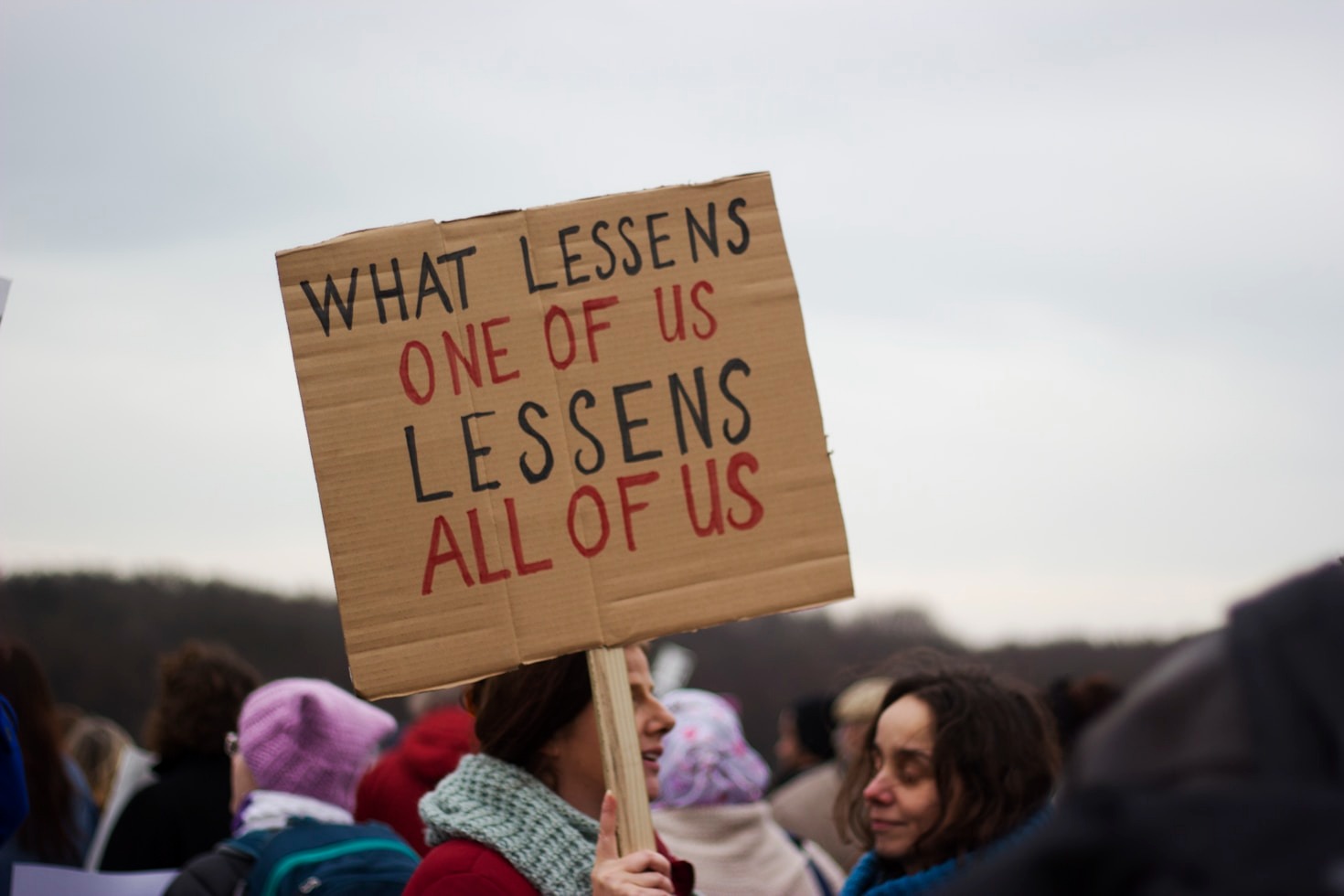
This article explores how resistance has long existed not only in streets and movements, but in libraries, manuscripts, and disciplined inquiry. Across centuries, scholars, writers, and thinkers have used academic thought as a means of preserving truth, challenging domination, and safeguarding memory. In moments when voices were silenced publicly, resistance often survived quietly through study, documentation, and reflection. Understanding this legacy helps frame why intellectual spaces remain vital today.
Sometimes, the simplest moments hold the deepest wisdom. Let your thoughts settle, and clarity will find you.
Academic resistance rarely announces itself loudly. It appears in footnotes that contradict official narratives, in preserved texts that outlast regimes, and in questions that refuse easy answers. Universities, archives, and informal circles of study have historically functioned as shelters for dissenting ideas. Whether examining colonial histories, cultural erasure, or systems of power, scholars have often resisted not through confrontation, but through persistence—by refusing to allow complexity to be flattened or forgotten.


As this tradition continues, academic resistance adapts rather than disappears. Modern scholars navigate new pressures, from information overload to politicized discourse, yet the core principle remains unchanged: knowledge must be examined, contextualized, and preserved. Reflection becomes a form of discipline, allowing ideas to mature rather than react. In this way, academic thought bridges past and present, connecting historical struggle with contemporary inquiry without collapsing one into the other.
In conclusion, the legacy of resistance in academic thought reminds us that endurance often lies in patience and rigor. By studying carefully, questioning responsibly, and preserving nuance, scholars and readers alike participate in a quiet but lasting form of resistance. CACOFO stands within this tradition—supporting reflection, memory, and thoughtful engagement as tools for navigating complex realities with integrity.
Leave a Reply